Math homework can feel like pulling teeth some days. Children sit at the kitchen table, frustrated and fidgeting, while parents try to figure out how to make fractions feel less like torture. But here's something worth knowing: sometimes the best classroom isn't a classroom at all.
Living in Marina Hills, families have something special right in their backyard. The beach isn't just a place to build sandcastles and splash in the waves. It's actually a sneaky-good place to practice math without kids even realizing they're learning. No worksheets required.
1. Shell Collecting and Sorting
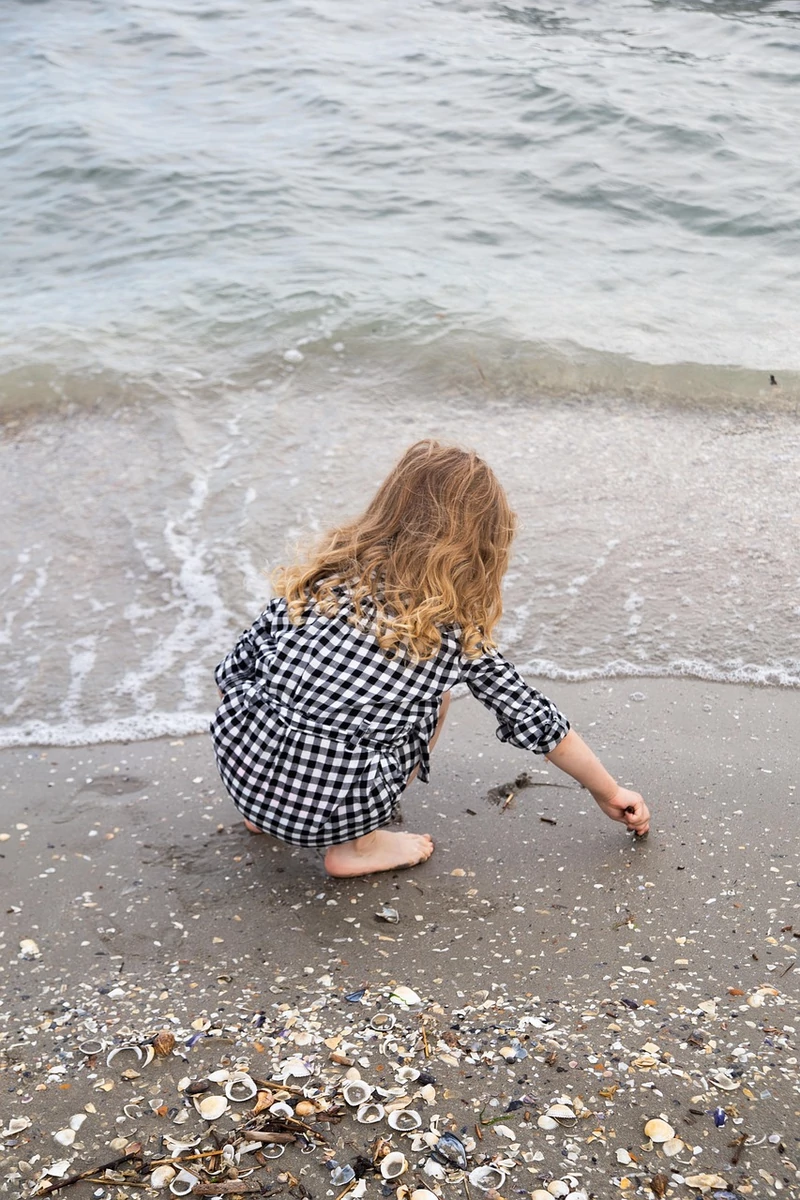
Next time at the beach, parents can hand their child a bucket and turn them loose to collect shells. Once there's a good haul, spread them out on a towel and start organizing. How many are white versus brown? Which pile has more? Can they arrange them from smallest to largest?
What's really happening here is working on sorting, counting, and comparison skills. For younger kids, this builds number sense. For older ones, parents can get into fractions: "If we have 20 shells total and 5 are pink, what fraction is that?"
The beauty of this? Children are touching, moving, and seeing the math. It's concrete. It's real. And honestly, it just feels like playing with cool shells they found.
2. Measuring the Waves
Grab a stick and head down to where the waves meet the sand. Draw a line at the water's edge, then watch what happens as the tide comes in. Every few minutes, measure how much closer the water has gotten. The stick itself can work as a measuring tool, or for those who want to get fancy, bring a tape measure.
This introduces measurement, estimation, and for kids who are ready, the concept of rate of change. How fast is the tide coming in? How long until it reaches the towels? These are the kinds of questions that make math feel purposeful instead of pointless.
3. Sand Geometry
Parents can give their child a challenge: build a sandcastle using only specific shapes. Maybe it's all rectangles, or maybe they need to incorporate at least three different shapes. As they build, talk about what makes a square different from a rectangle, or why a cone is perfect for a tower top.
Families can also draw shapes in the sand with a stick and have kids identify them, or create a pattern and see if they can continue it. Geometry stops being abstract when children are literally sculpting it with their hands.
4. Beach Business Stand
If kids are the entrepreneurial type, parents can help them set up a little beach stand. Maybe they're selling lemonade, or smoothies, or little shell art they've made. The math here is everywhere: pricing items, making change, counting money, figuring out if they're making a profit.
This is real-world math that actually matters to kids because they're watching their earnings grow. Plus, they're learning about money management and basic business concepts without a single multiplication table in sight.
5. Distance Estimation Games
Pick an object down the beach—a lifeguard stand, a pier, a colorful umbrella. Have children guess how many steps it'll take to get there. Then walk it together and count. How close were they?
This builds estimation skills, which is honestly one of the most useful math skills people use as adults. Can I afford this? How long will this take? How much paint do I need for this room? It all starts with being able to look at something and make an educated guess.
6. Tide Pool Math
If there are tide pools nearby, they're absolute gold mines for math practice. Count the sea anemones in one pool versus another. Measure the diameter of a sea star. Time how long it takes a hermit crab to cross from one side to the other.
Families are working with living, moving math here. And when kids are fascinated by what they're observing, the numbers become secondary—they're just tools to understand something cool.
7. Sandy Fraction Pizza
This one's a favorite for kids who struggle with fractions. Draw a big circle in the sand—that's the pizza. Now divide it into slices. Start with halves, then quarters. Have children shade in different fractions. "If you eat 3 out of 8 slices, how much of the pizza did you eat?"
Parents can make it silly, too. This slice is pepperoni, that one's pineapple (controversial, of course). The silliness keeps kids engaged while they're actually doing the math.
The Real Secret is Removing the Pressure
Here's what all these activities have in common: they remove the pressure. Math isn't happening at a desk with a timer running. It's happening while children are playing, exploring, and genuinely curious about the world around them.
So next time your kids are struggling with their math homework, maybe it's time for a beach break. Pack up the sunscreen, grab some buckets, and head to the shore. The math will still be there—it'll just feel a whole lot more like fun.
Need More Support?
While beach adventures are a fantastic way to make math feel less intimidating, sometimes kids need extra help to build confidence and fill in the gaps. That's where the wonderful tutors at Mathnasium of Marina Hills come in. They specialize in making math make sense, meeting each child exactly where they are and helping them discover that they really can do this. If beach math has sparked some curiosity but the homework battles are still tough, the team at Mathnasium would love to help families turn that struggle into success. Stop by or reach out to learn how they can support your child's math journey.


 (949) 240-6284
 (949) 240-6284