Our unique approach teaches maths in a way that makes sense to children, building understanding, confidence and strong mathematical foundations that support continued progress.
Find Your Nearest Centre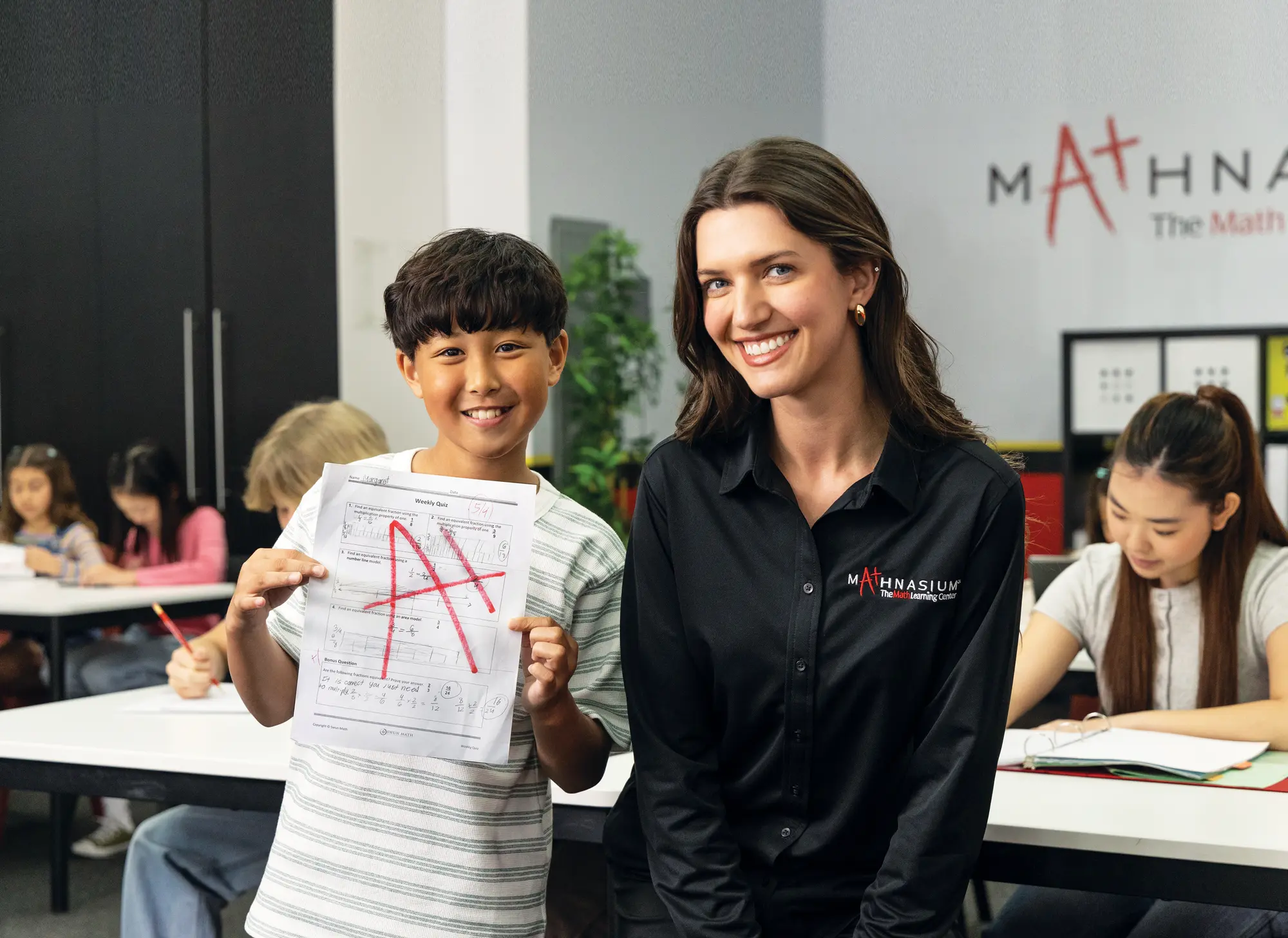
Developed over more than 40 years, the Mathnasium Method™ is our proprietary approach to maths tuition, designed to help children develop a deep understanding of mathematical concepts.
The Method builds on what each child already knows, addresses gaps in understanding and introduces new concepts in a carefully structured sequence. This allows children to strengthen their foundations, consolidate their learning or take on greater challenge.
Our approach begins with understanding what your child already knows, before creating a bespoke learning plan and teaching each concept for genuine understanding.

We begin with a comprehensive assessment to identify your child's strengths and any gaps in their understanding.

Using the results of the assessment, we create a bespoke learning plan based on what your child already knows and what they need to learn next.

Our specially trained instructors teach children how and why maths works, helping them develop a deeper understanding rather than simply memorising methods.
Success in maths is the understanding of what numbers mean and how they work together. And Number Sense isn't just for young children. We work on these topics through the levels shown below before moving on to Algebra and other higher maths disciplines.

Counting
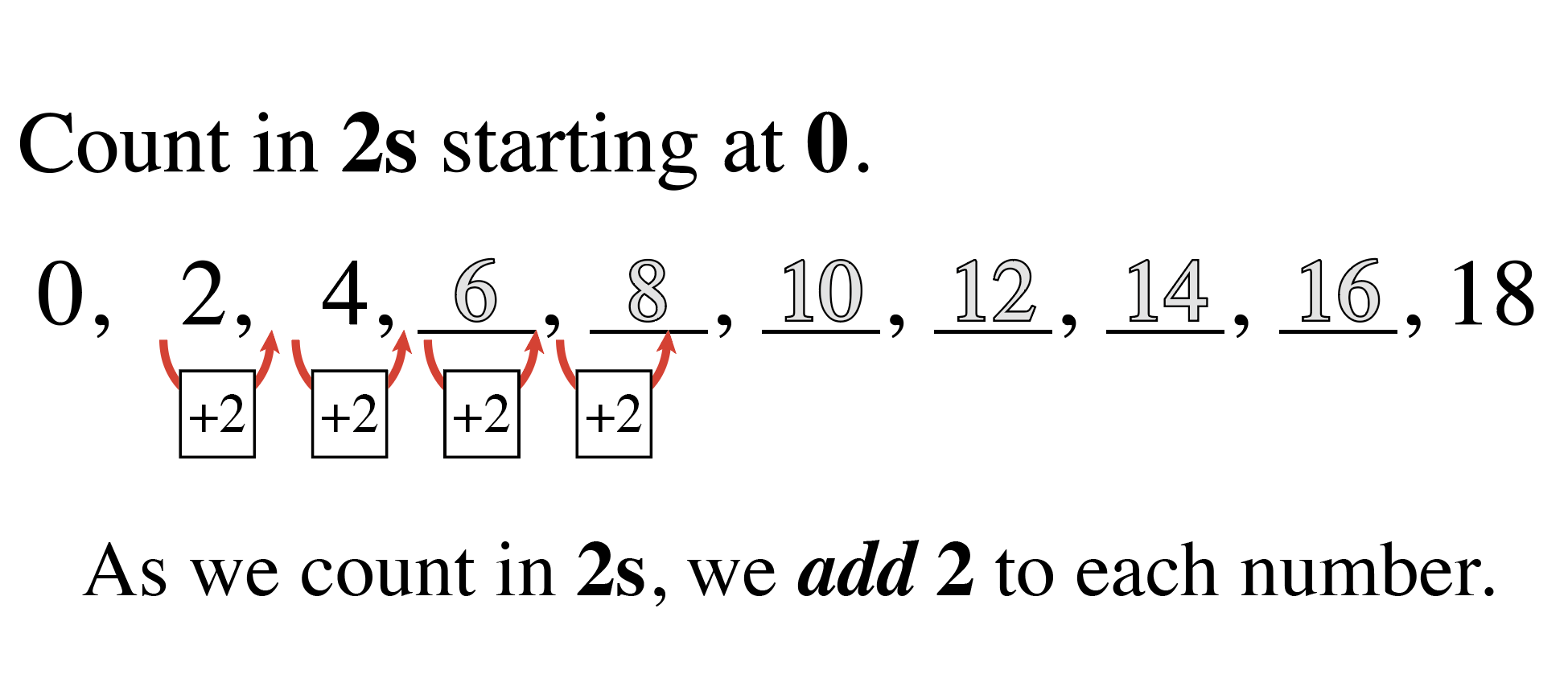
Counting is the key to unlocking addition and subtraction in early maths development. At Mathnasium, our initial goal is to have a student become comfortable with counting to any number, from any number, by any number, forwards and backwards.

Wholes And Parts
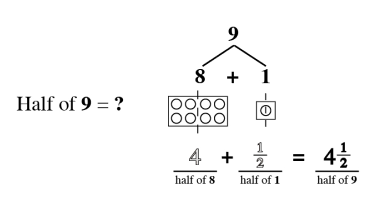
As students begin to understand the relationship between a whole and the parts, a world of mathematical concepts and exercises can be explored. Once students have mastered these skills, they have little trouble with algebraic problem solving.

Quantity and Denomination
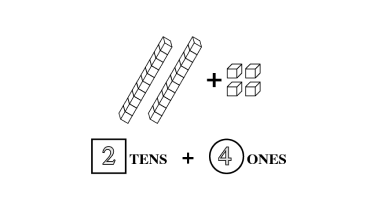
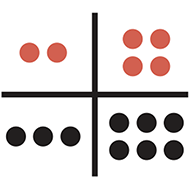
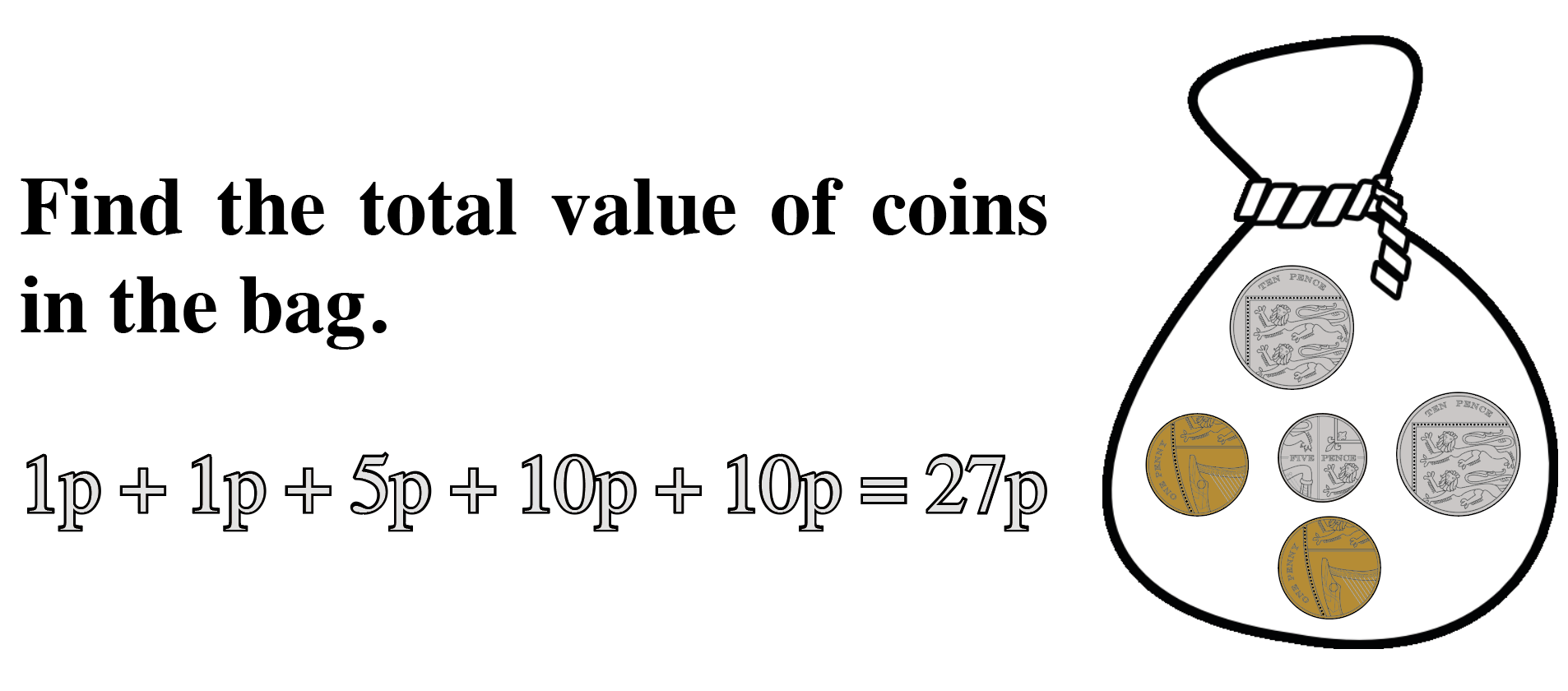
The quantity and denomination construct examines two aspects of numerical value. Quantity asks “how many?” and denomination asks “of what?”
Proportional Thinking
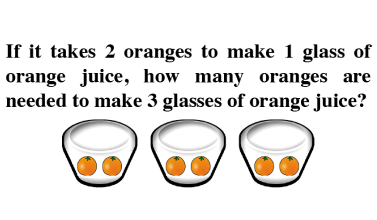
Proportional thinking established a fundamental base that leased to a stronger understanding of critical concepts like ratio, direct and indirect variation and algebraic reasoning.
The Law of SAMEness
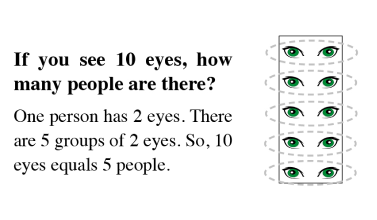
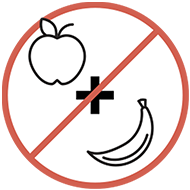
The Law of Sameness is a concept students naturally apply in their reasoning without being aware of it. For example, quantities of apples and bananas cannot be added together unless first being changed so that they have the same name, which is fruit.

Counting
Counting is the key to unlocking addition and subtraction in early maths development. At Mathnasium, our initial goal is to have a student become comfortable with counting to any number, from any number, by any number, forwards and backwards.
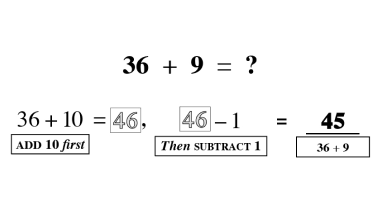

Wholes and Parts
As students begin to understand the relationship between a whole and the parts, a world of mathematical concepts and exercises can be explored. Once students have mastered these skills, they have little trouble with algebraic problem solving.
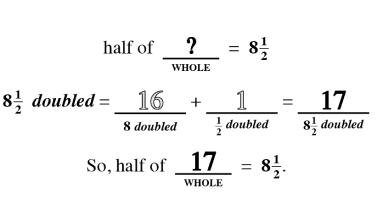

Quantity and Denomination
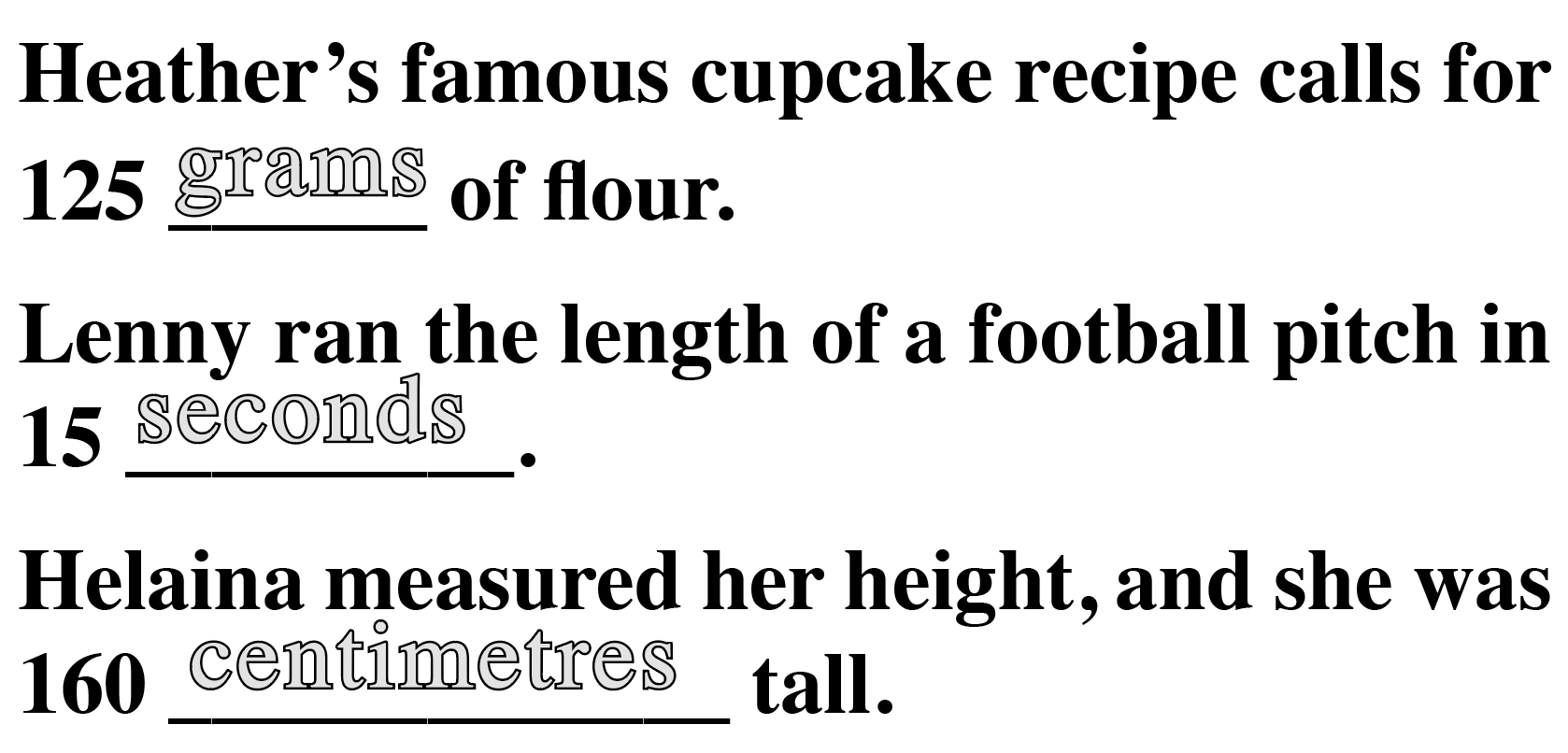
The quantity and denomination construct examines two aspects of numerical value. Quantity asks “how many?” and denomination asks “of what?”
Proportional Thinking
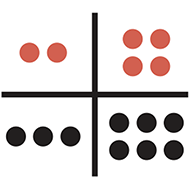
Proportional thinking established a fundamental base that leased to a stronger understanding of critical concepts like ratio, direct and indirect variation and algebraic reasoning.
The Law of SAMEness
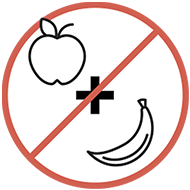
The Law of Sameness is a concept students naturally apply in their reasoning without being aware of it. For example, quantities of apples and bananas cannot be added together unless first being changed so that they have the same name, which is fruit.

Counting
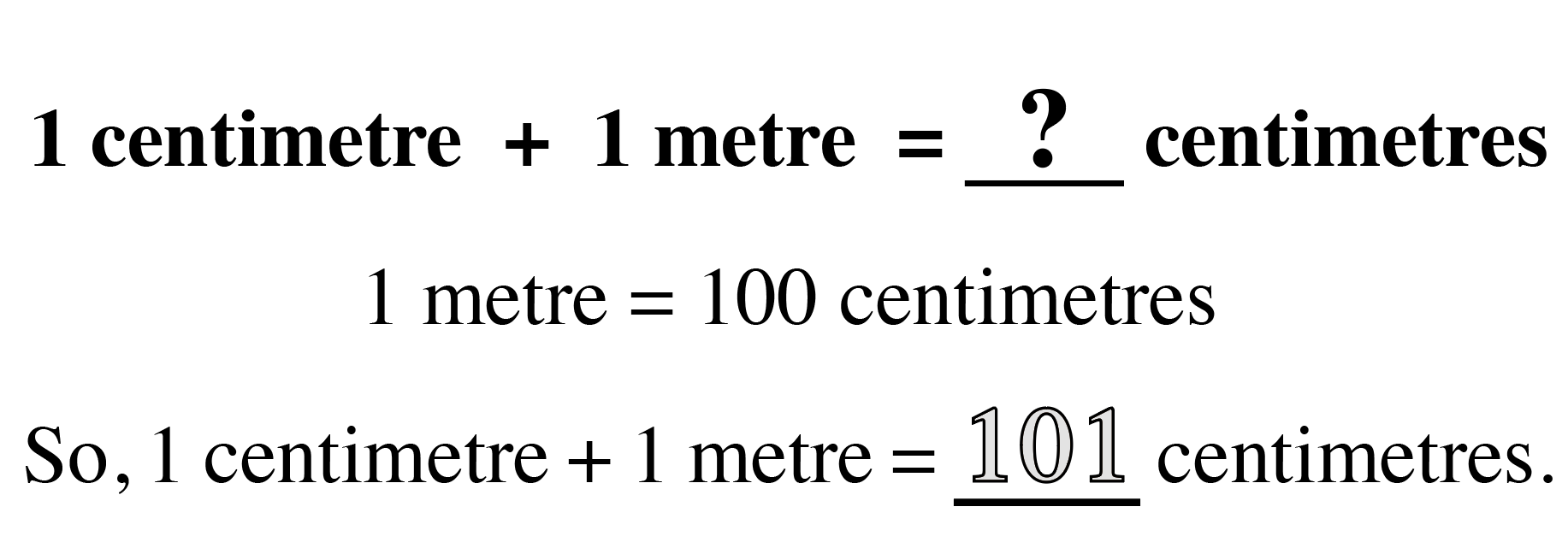
Counting is the key to unlocking addition and subtraction in early maths development. At Mathnasium, our initial goal is to have a student become comfortable with counting to any number, from any number, by any number, forwards and backwards.

Wholes and Parts
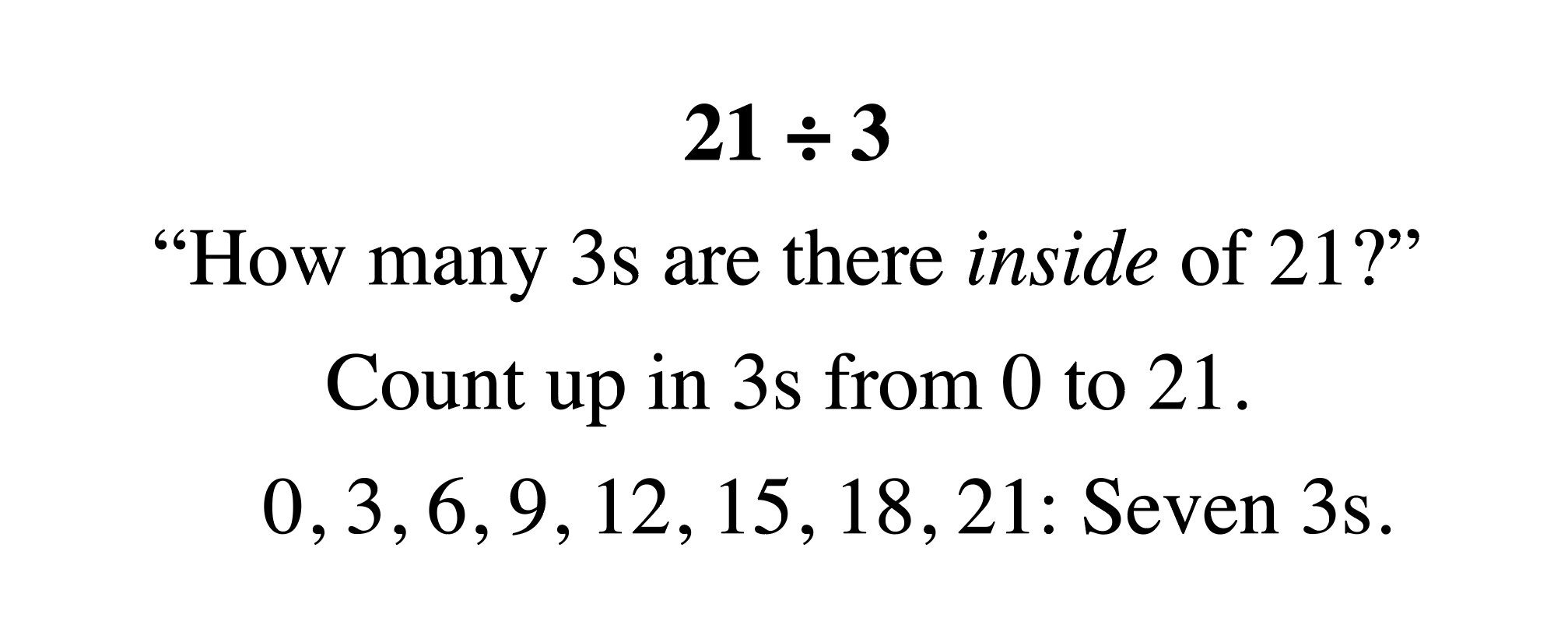
As students begin to understand the relationship between a whole and the parts, a world of mathematical concepts and exercises can be explored. Once students have mastered these skills, they have little trouble with algebraic problem solving.

Quantity and Denomination
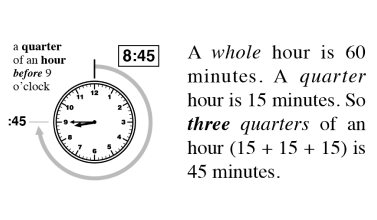
The quantity and denomination construct examines two aspects of numerical value. Quantity asks “how many?” and denomination asks “of what?”
Proportional Thinking
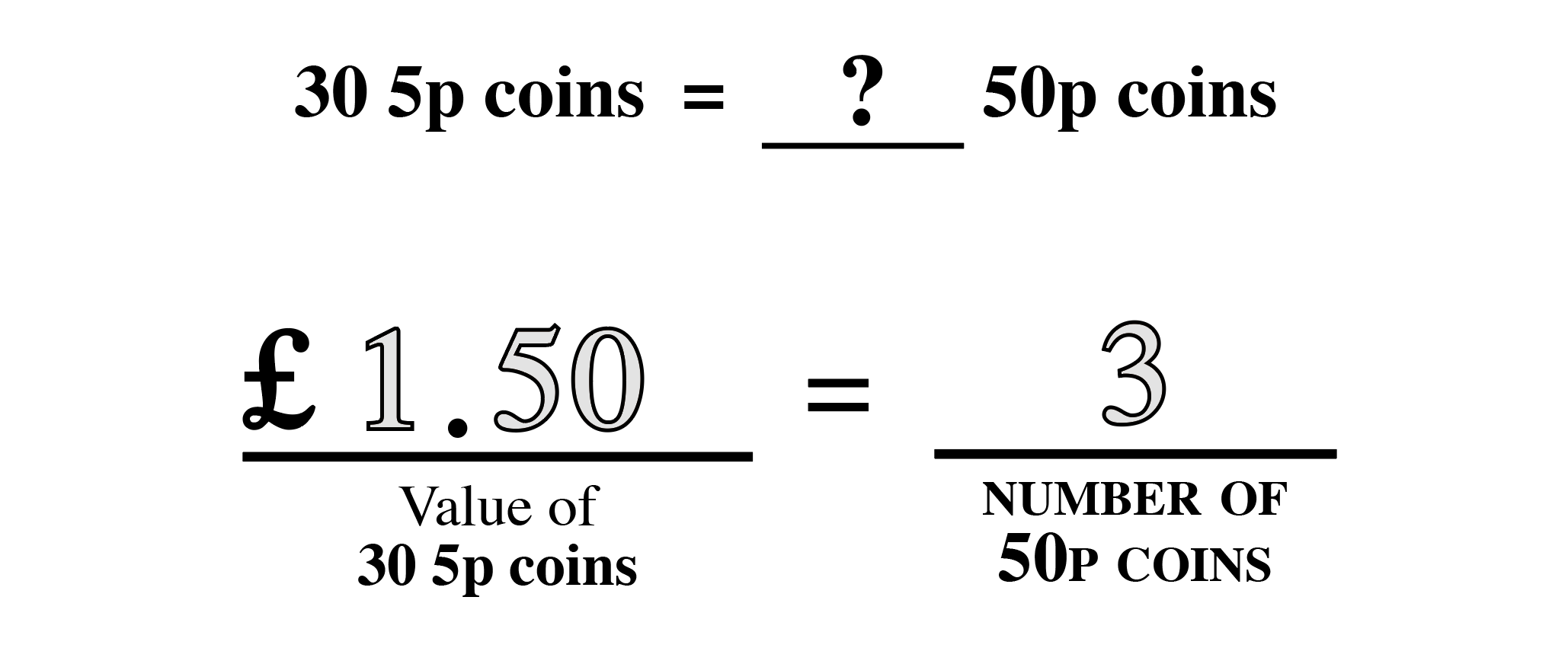
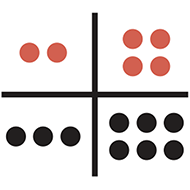
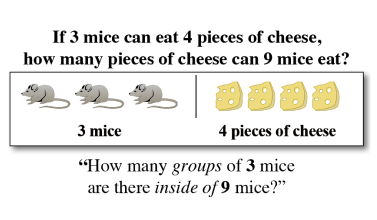
Proportional thinking established a fundamental base that leased to a stronger understanding of critical concepts like ratio, direct and indirect variation and algebraic reasoning.
The Law of SAMEness
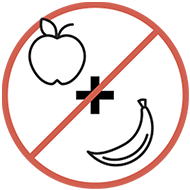
The Law of Sameness is a concept students naturally apply in their reasoning without being aware of it. For example, quantities of apples and bananas cannot be added together unless first being changed so that they have the same name, which is fruit.

Counting
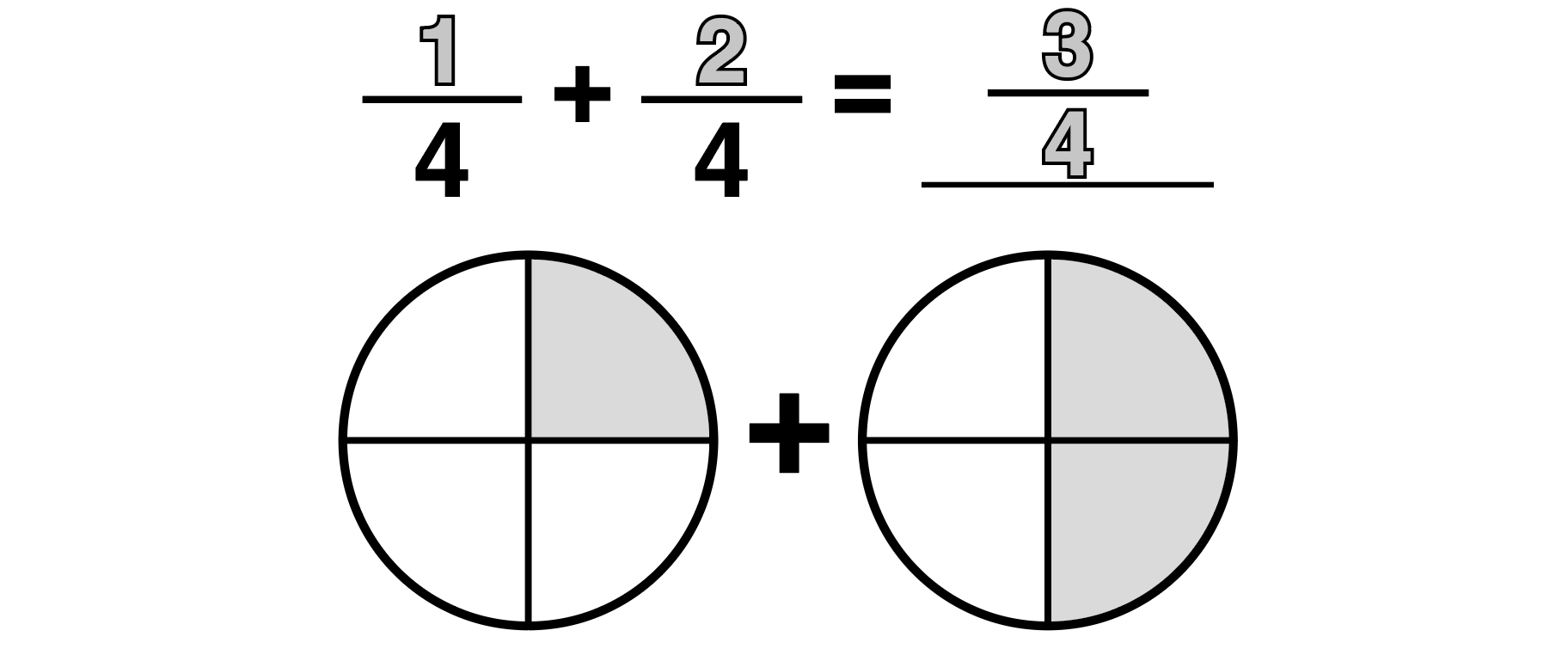
Counting is the key to unlocking addition and subtraction in early maths development. At Mathnasium, our initial goal is to have a student become comfortable with counting to any number, from any number, by any number, forwards and backwards.

Wholes and Parts
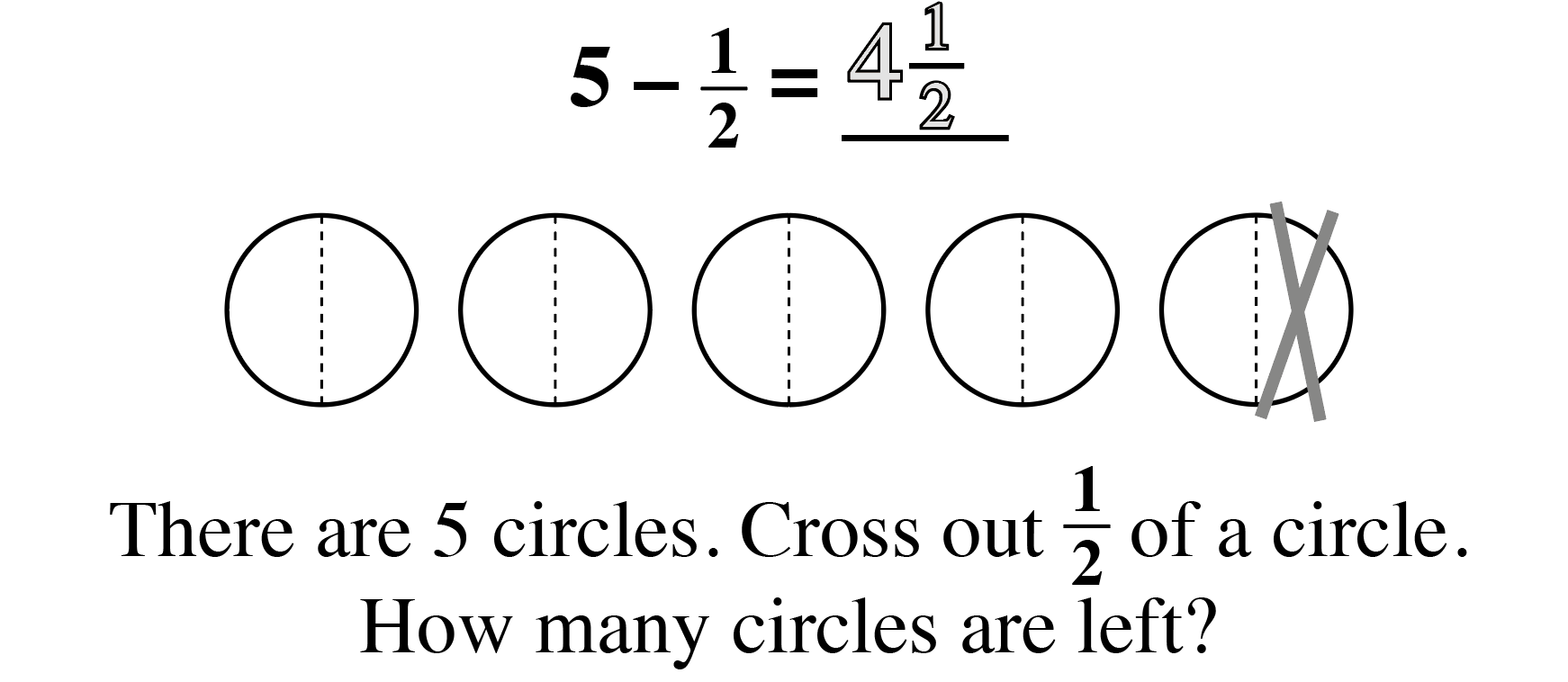
As students begin to understand the relationship between a whole and the parts, a world of mathematical concepts and exercises can be explored. Once students have mastered these skills, they have little trouble with algebraic problem solving.

Quantity and Denomination
The quantity and denomination construct examines two aspects of numerical value. Quantity asks “how many?” and denomination asks “of what?”
Proportional Thinking
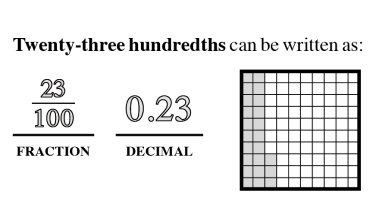
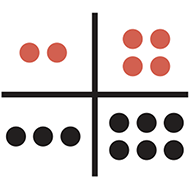
Proportional thinking established a fundamental base that leased to a stronger understanding of critical concepts like ratio, direct and indirect variation and algebraic reasoning.
The Law of SAMEness
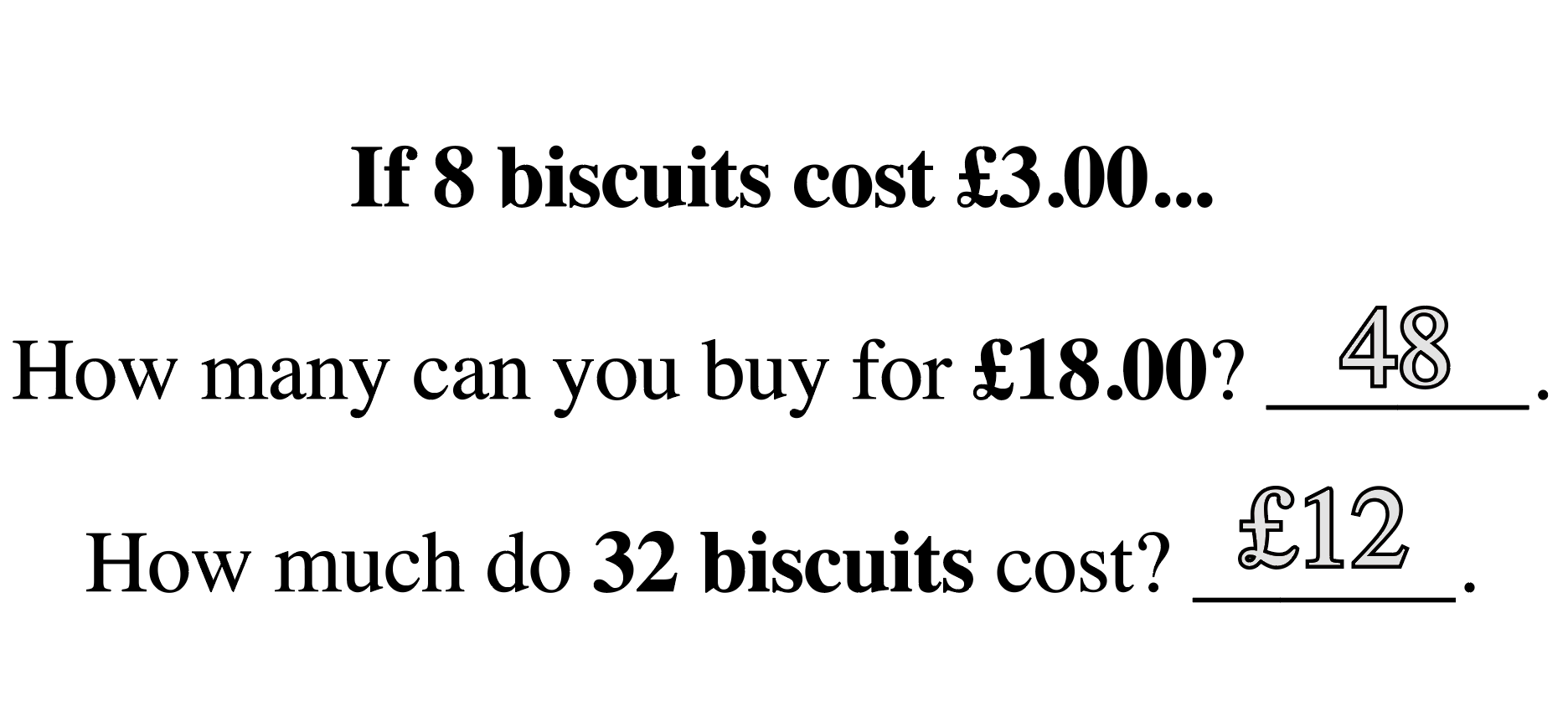
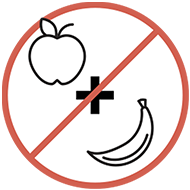
The Law of Sameness is a concept students naturally apply in their reasoning without being aware of it. For example, quantities of apples and bananas cannot be added together unless first being changed so that they have the same name, which is fruit.

Counting
Counting is the key to unlocking addition and subtraction in early maths development. At Mathnasium, our initial goal is to have a student become comfortable with counting to any number, from any number, by any number, forwards and backwards.

Wholes and Parts
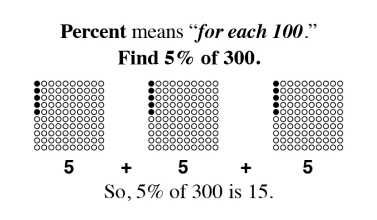
As students begin to understand the relationship between a whole and the parts, a world of mathematical concepts and exercises can be explored. Once students have mastered these skills, they have little trouble with algebraic problem solving.

Quantity and Denomination
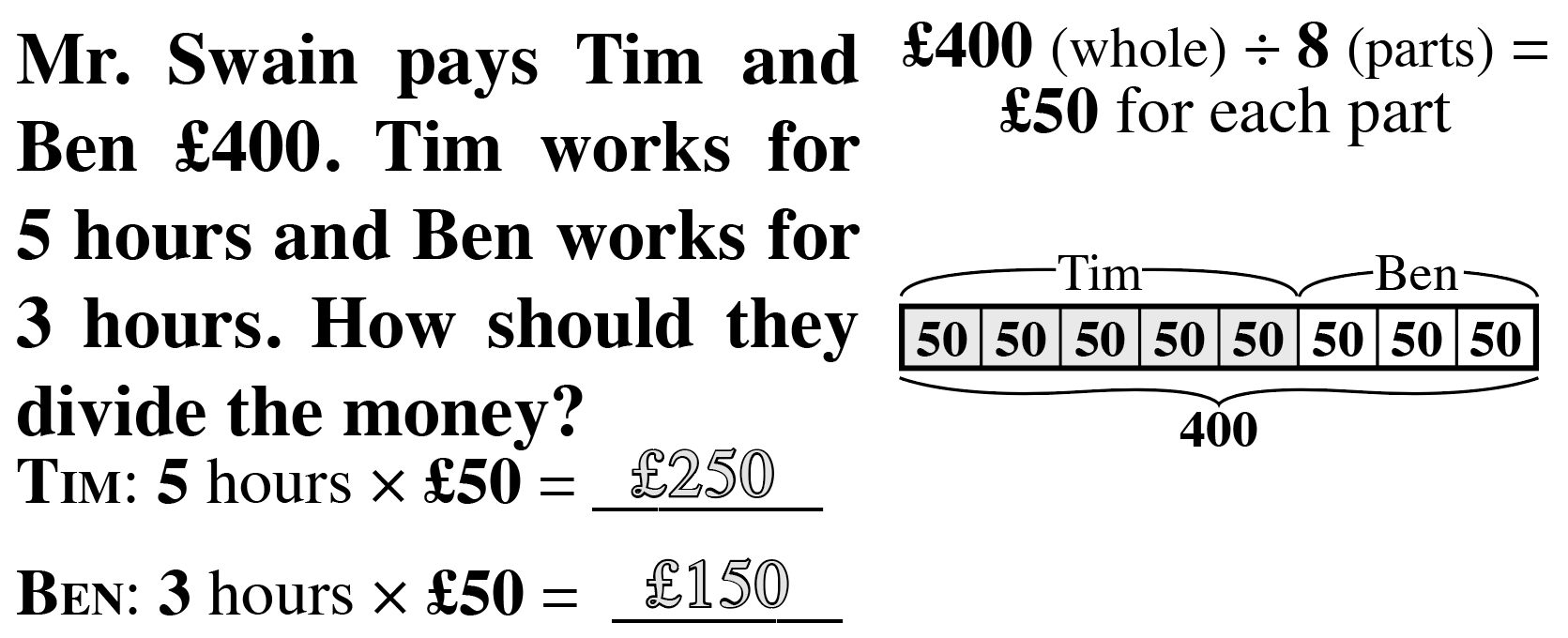
The quantity and denomination construct examines two aspects of numerical value. Quantity asks “how many?” and denomination asks “of what?”
Proportional Thinking
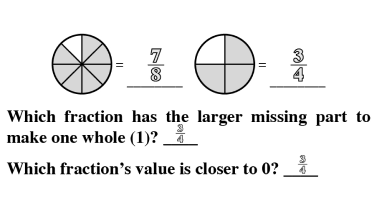
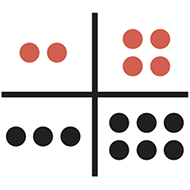
Proportional thinking established a fundamental base that leased to a stronger understanding of critical concepts like ratio, direct and indirect variation and algebraic reasoning.
The Law of SAMEness
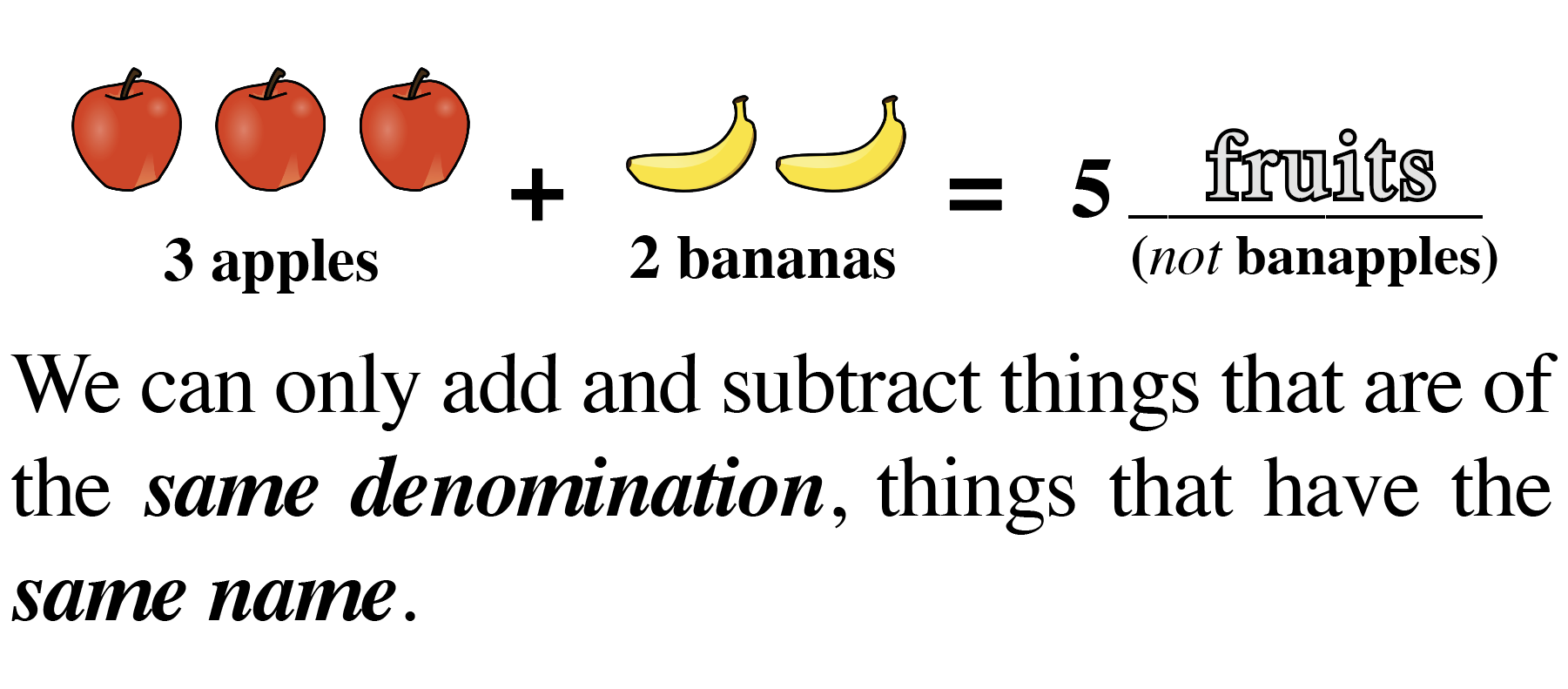
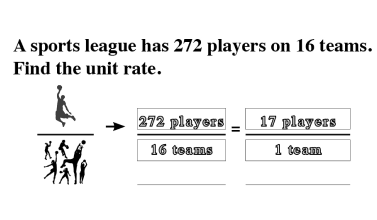
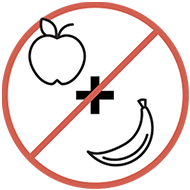
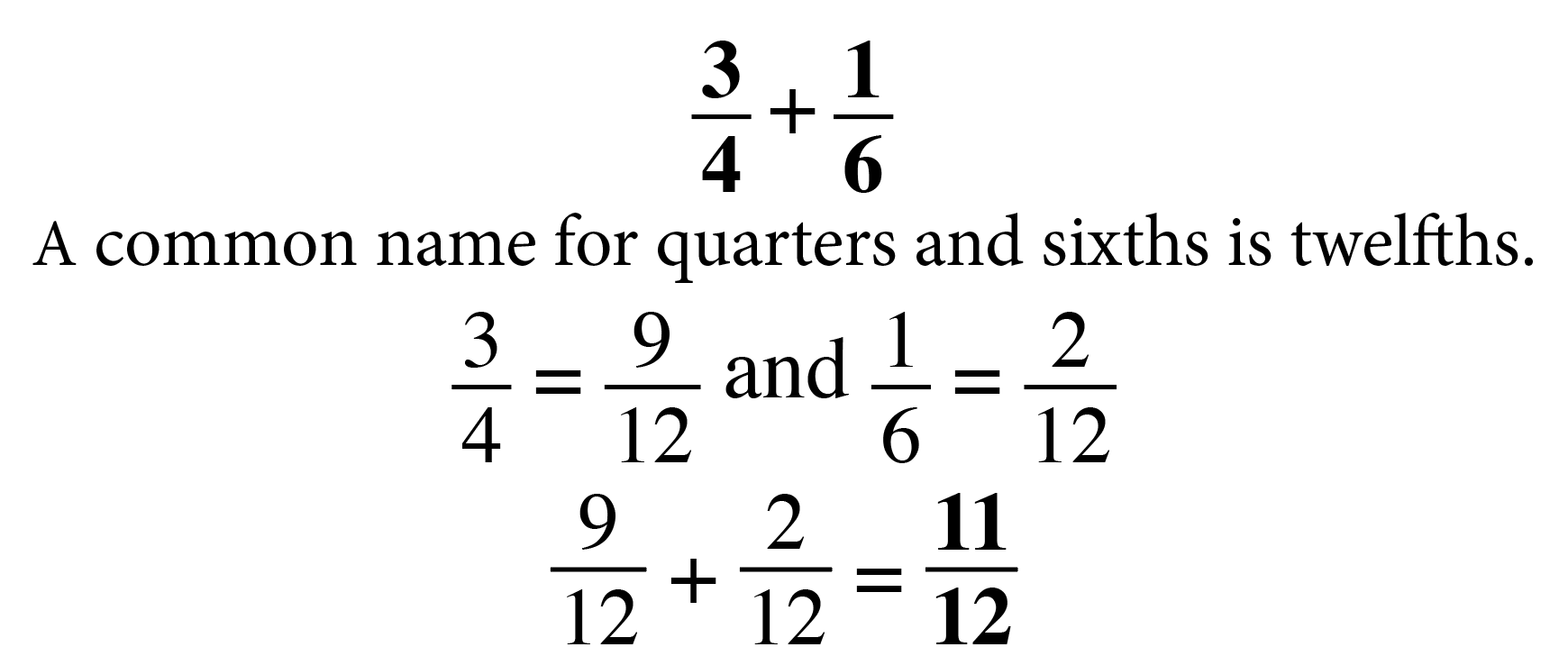
The Law of Sameness is a concept students naturally apply in their reasoning without being aware of it. For example, quantities of apples and bananas cannot be added together unless first being changed so that they have the same name, which is fruit.

Counting
Counting is the key to unlocking addition and subtraction in early maths development. At Mathnasium, our initial goal is to have a student become comfortable with counting to any number, from any number, by any number, forward and backward.

Wholes and Parts
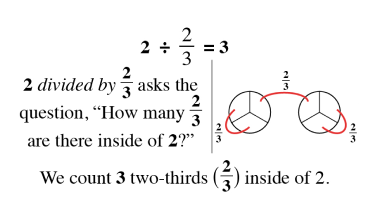
As students begin to understand the relationship between a whole and the parts, a world of mathematical concepts and exercises can be explored. Once students have mastered these skills, they have little trouble with algebraic problem-solving.

Quantity and Denomination
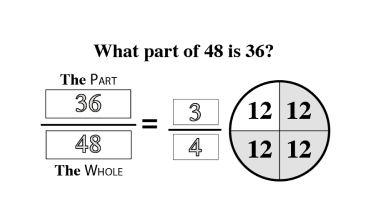
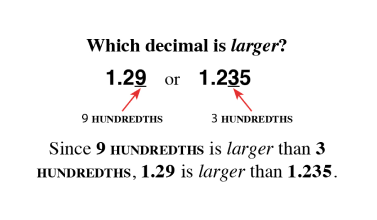
The quantity and denomination construct examines two aspects of numerical value. Quantity asks “how many?” and denomination asks “of what?”
Proportional Thinking
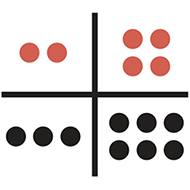
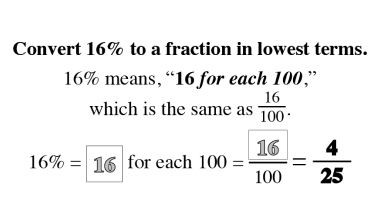
Proportional thinking established a fundamental base that leased to a stronger understanding of critical concepts like ratio, direct and indirect variation and algebraic reasoning.
The Law of SAMEness
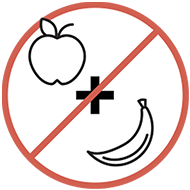
The Law of Sameness is a concept students naturally apply in their reasoning without being aware of it. For example, quantities of apples and bananas cannot be added together unless first being changed so that they have the same name, which is fruit.

Counting
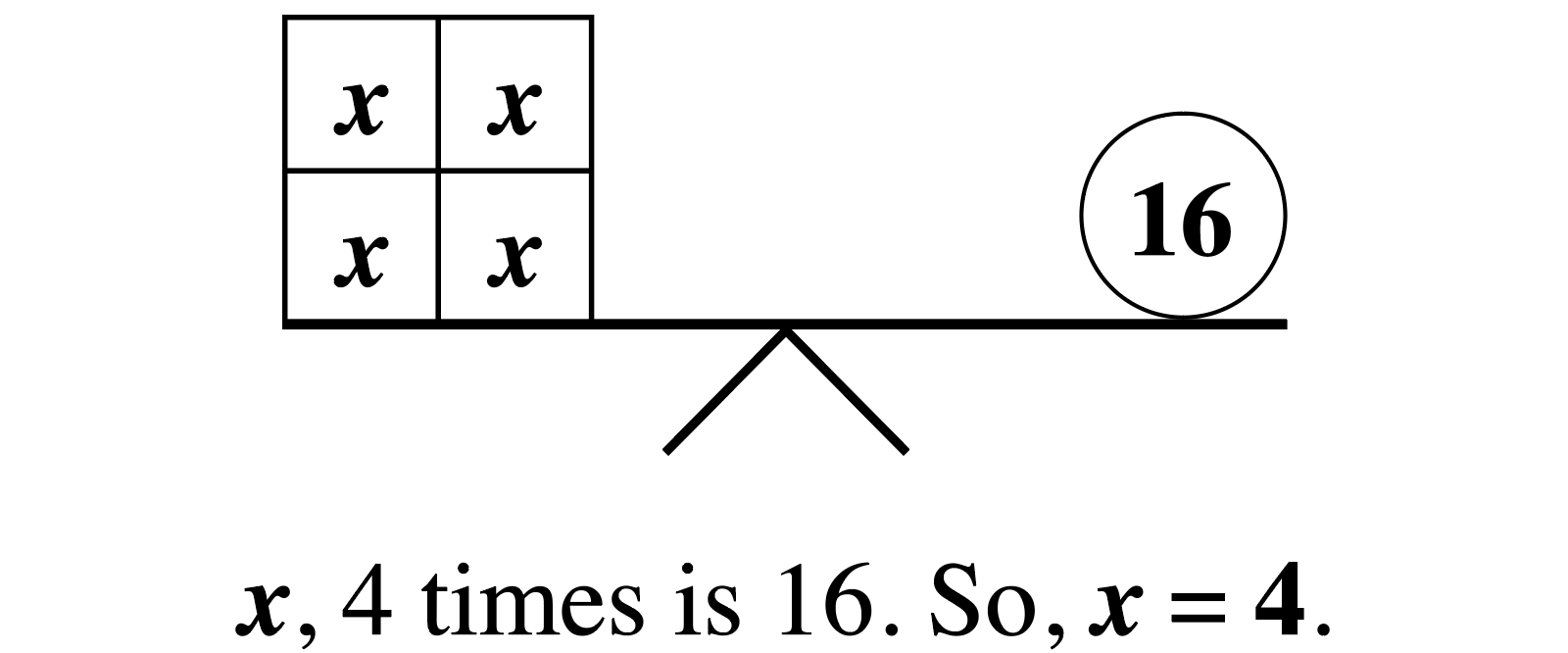
Counting is the key to unlocking addition and subtraction in early maths development. At Mathnasium, our initial goal is to have a student become comfortable with counting to any number, from any number, by any number, forward and backward.

Wholes and Parts
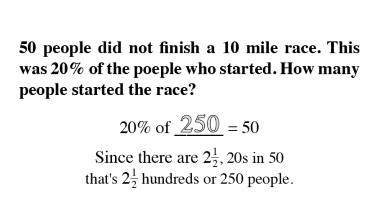
As students begin to understand the relationship between a whole and the parts, a world of mathematical concepts and exercises can be explored. Once students have mastered these skills, they have little trouble with algebraic problem-solving.
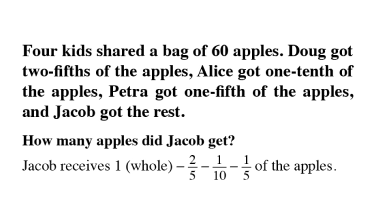

Quantity and Denomination
The quantity and denomination construct examines two aspects of numerical value. Quantity asks “how many?” and denomination asks “of what?”
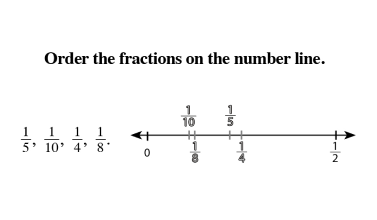
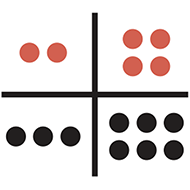
Proportional Thinking
Proportional thinking established a fundamental base that leased to a stronger understanding of critical concepts like ratio, direct and indirect variation and algebraic reasoning.
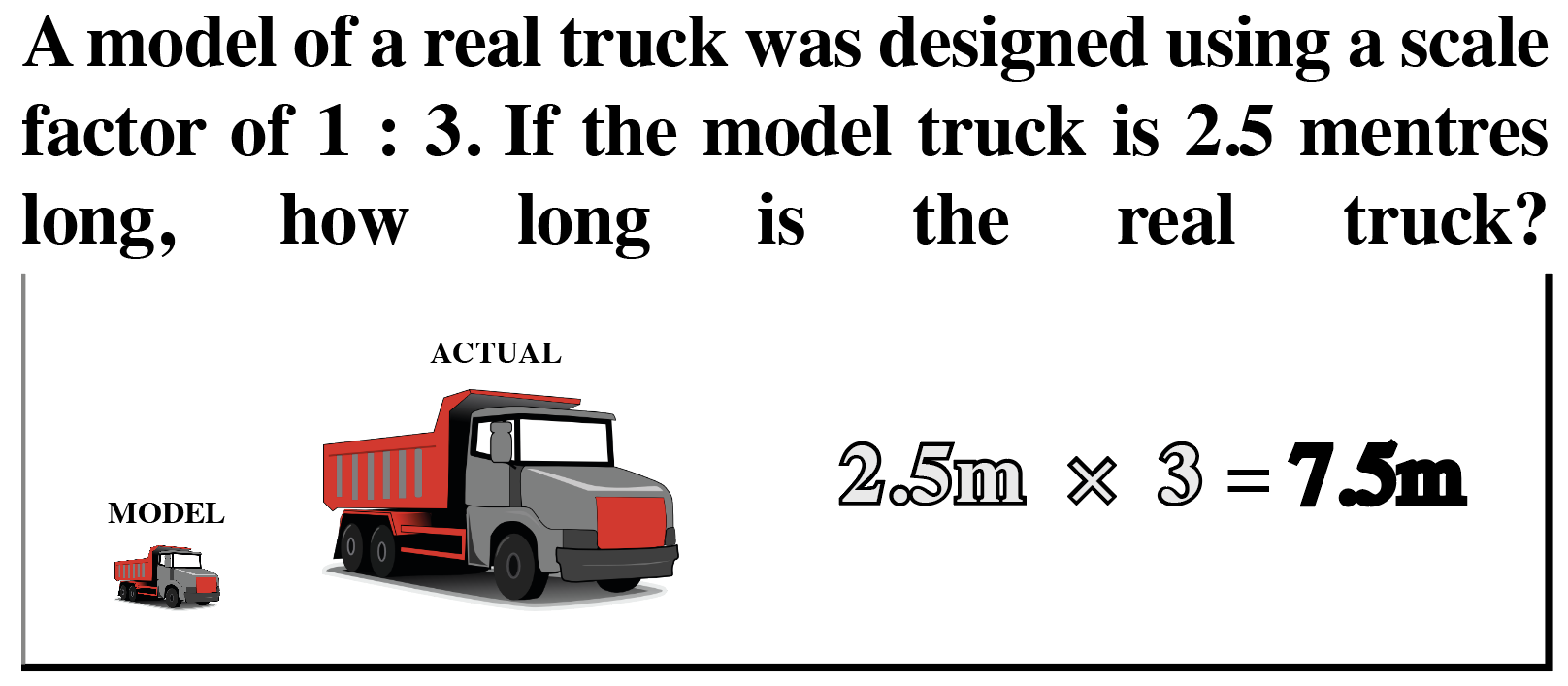
The Law of SAMEness
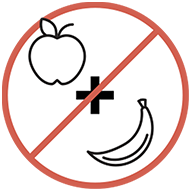
The Law of SAMEness is a concept students naturally apply in their reasoning without being aware of it. For example, quantities of apples and bananas cannot be added together unless first being changed so that they have the same name, which is fruit.

Counting
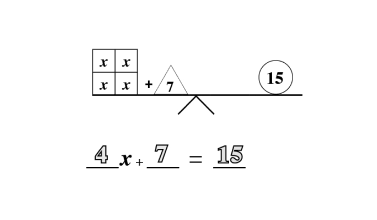
Counting is the key to unlocking addition and subtraction in early maths development. At Mathnasium, our initial goal is to have a student become comfortable with counting to any number, from any number, by any number, forward and backward.

Wholes and Parts
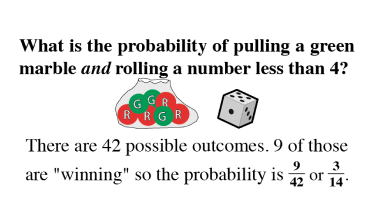
As students begin to understand the relationship between a whole and the parts, a world of mathematical concepts and exercises can be explored. Once students have mastered these skills, they have little trouble with algebraic problem-solving.

Quantity and Denomination
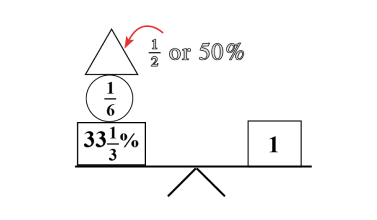
The quantity and denomination construct examines two aspects of numerical value. Quantity asks “how many?” and denomination asks “of what?”
Proportional Thinking
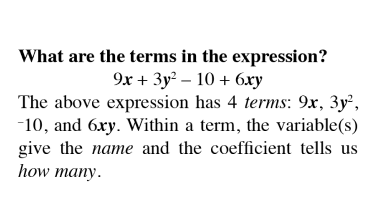
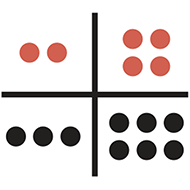
Proportional thinking established a fundamental base that leased to a stronger understanding of critical concepts like ratio, direct and indirect variation and algebraic reasoning.
The Law of SAMEness
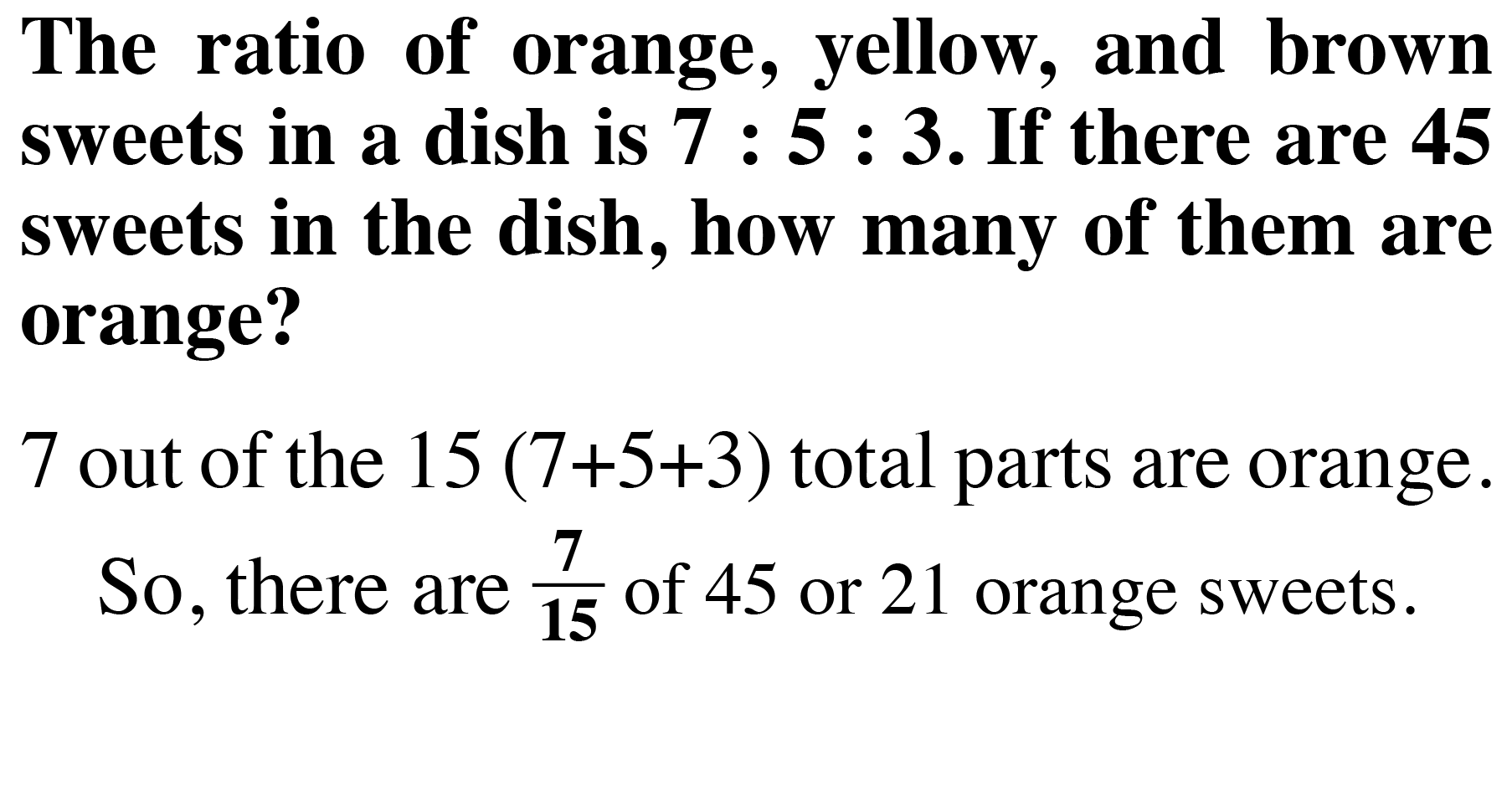
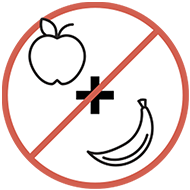
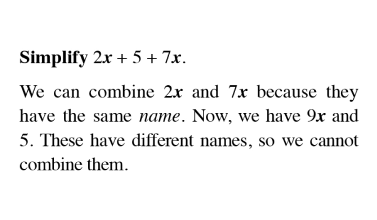
The Law of SAMEness is a concept students naturally apply in their reasoning without being aware of it. For example, quantities of apples and bananas cannot be added together unless first being changed so that they have the same name, which is fruit.

Mental
Using your mind to solve problems without putting pen to paper.

Visual
Using pictures, figures, graphs, scaffolding and other visual prompts to understand and solve problems.

Verbal
Using spoken words as a guide to understand and solve problems.

Tactile
Touching or manipulating physical objects to understand and solve problems.

Written
Using written numbers, text and symbols to understand and solve problems.
Mathnasium helps children build stronger maths skills, deepen their understanding and grow in confidence.















 See our method
